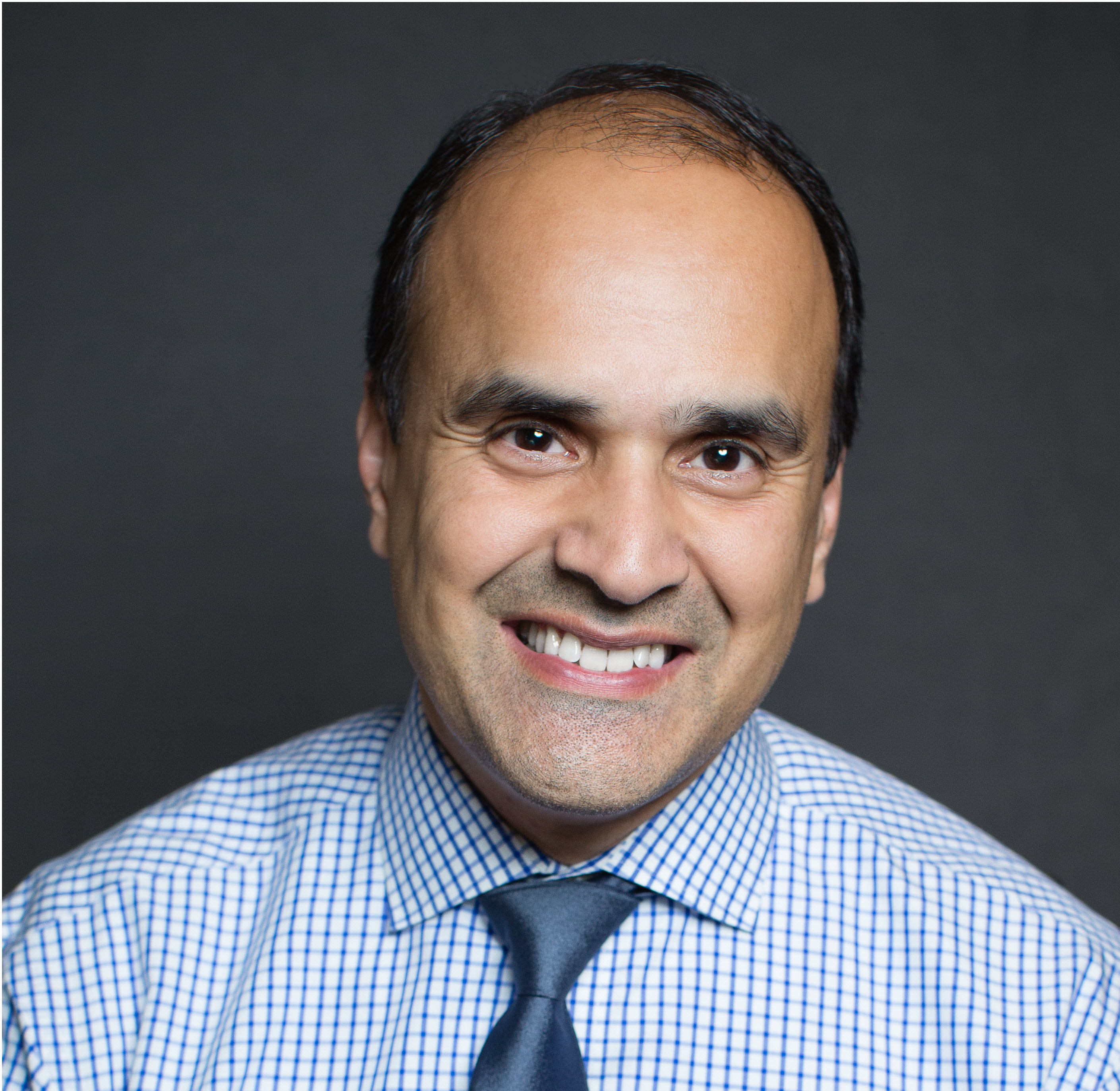
For several years running, HIMSS selected me as one of its Social Media Ambassadors for the annual conference. The cohort was small. Each of us was asked to cover the show in public: what was being announced, what was actually working, and what was noise.
Healthcare IT News ran named interviews with the ambassadors each year. Mine usually turned into an argument about whether the technology on the floor could survive contact with a real clinical workflow.
Why it mattered
Practitioners, not press-release readers
What I liked about the program was the selection criteria. HIMSS was not looking for the biggest follower counts. It was looking for people who build, buy, or run health IT and could explain it in plain language while the show was happening.
That is a harder job than it sounds. A conference floor is designed to make everything look inevitable. Someone has to ask the boring questions: what does this integrate with, who owns the data, what happens at 2am when it breaks, and what does it cost to run at scale.
The most useful thing a practitioner can do at a trade show is ask what happens after the demo.
What I covered
The recurring themes
Across those years, my coverage kept returning to the same handful of problems: interoperability that stopped at the interface, EHR platforms that treated innovation as a threat, and security models that assumed a hospital was a single trusted network.
The record
- Named a HIMSS Social Media Ambassador for HIMSS15 through HIMSS18.
- Interviewed by Healthcare IT News as an ambassador in 2016 and 2017.
- Covered interoperability, meaningful use, EHR innovation, and security.
- Wrote and posted as a practicing CTO, not on behalf of a vendor.
Reflection
Where it led
The ambassador years shaped how I do public work now. It is the same instinct behind the radio show, the podcast episodes, and the writing on this site: report from inside the work, and say the thing everyone in the room already suspects.